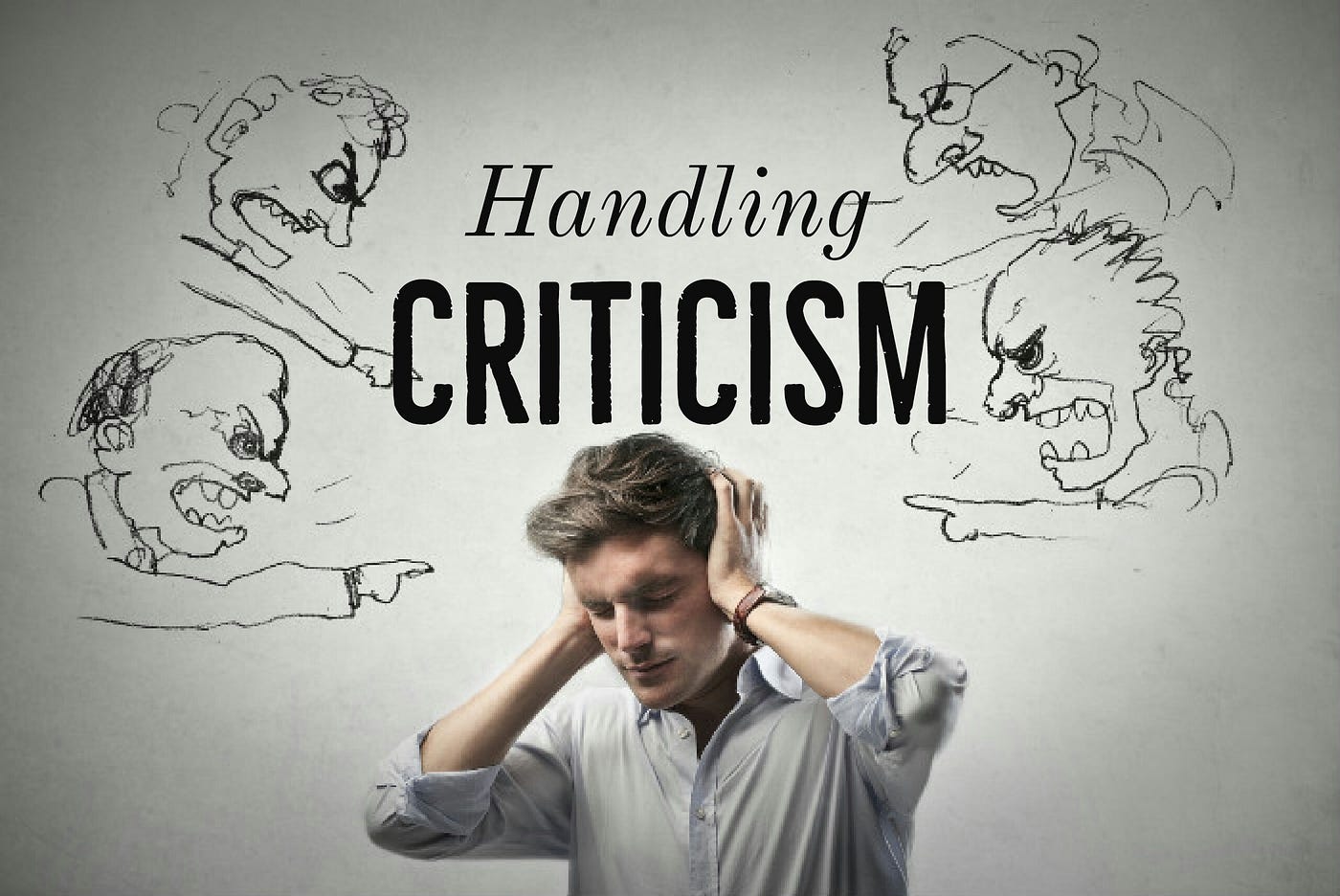
Listen Without Interrupting: Let the person finish speaking before responding. This shows respect and gives you time to fully understand their feedback.
Separate Emotions from Feedback: Criticism may feel personal, but it's important to view it as a tool for growth. Focus on the message, not how it makes you feel.
Look for the Truth: Even if criticism feels harsh, try to identify valid points that can help you improve.
Stay Open-minded: Avoid becoming defensive. Assume the feedback is meant to help you, even if it's not delivered perfectly.
Ask Questions for Clarification: If you don't understand or need more detail, ask follow-up questions to clarify the points being made.
Thank the Critic: Showing gratitude for feedback, even if it's hard to hear, helps you maintain a positive mindset and encourages future constructive conversations.
Use It as a Learning Opportunity: View criticism as a chance to learn and develop. Reflect on how you can apply the feedback to enhance your skills or work.
Avoid Overgeneralizing: Don't let one piece of criticism define your entire self-worth or work. Take it in context, and remember that everyone has areas to improve.
Take Time to Reflect: If the criticism feels overwhelming, take a break to process it. This gives you time to cool down and think more clearly about how to act on it.
Focus on Growth, Not Perfection: Understand that receiving feedback is part of the process of getting better. No one is perfect, and criticism helps you evolve over time.