Time Management and Productivity
Tips for effective time management
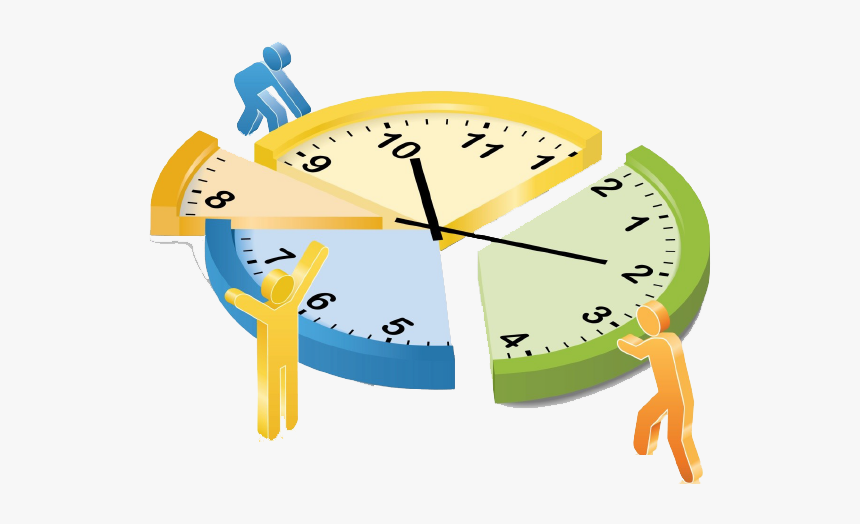
- Prioritization: Categorize tasks into four quadrants based on urgency and importance to focus on what really matters.
- Time blocking: Schedule specific blocks of time for different tasks or activities. This helps you stay focused and reduces distractions.
- Pomodoro Technique: Work in short bursts (typically 25 minutes), followed by a 5-minute break. This can boost productivity and prevent burnout.
- SMART Goals: Set Specific, Measurable, Achievable, Relevant, and Time-bound goals to clarify what you need to accomplish.
- To-Do Lists: Create daily or weekly lists to keep track of tasks. Prioritize them to tackle the most important ones first.
- Limit Distractions: Identify what distracts you the most and create a plan to minimize those distractions during your work time.
- Set Deadlines: Even for tasks that don't have formal deadlines, creating your own can help you stay on track and motivated.
- Review and Reflect: At the end of each day or week, review what you accomplished and adjust your plans as needed to improve efficiency.
- Delegate: If possible, delegate tasks that others can handle, freeing up your time for higher-priority activities.
- Batch Processing: Group similar tasks together to minimize context switching and improve efficiency.
Balancing personal and professional life
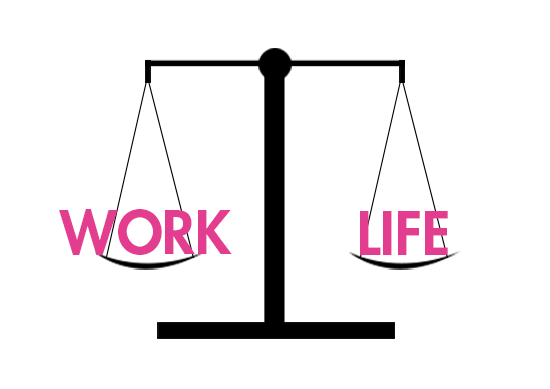
- Set Clear Boundaries:
- Define work hours and stick to them.
- Create a dedicated workspace at home.
- Prioritize Tasks:
- Use to-do lists to manage tasks.
- Focus on high-impact activities in both personal and professional realms.
- Practice Time Management:
- Schedule breaks and downtime.
- Use techniques like the Pomodoro Technique for focused work sessions.
- Learn to say NO:
- Avoid overcommitting to work or social events.
- Assess your capacity before taking on new responsibilities.
- Use technology wisely:
- Leverage tools for organization (calendars, task managers).
- Limit distractions from personal devices during work hours.
- Engage in self-care:
- Incorporate regular exercise, healthy eating, and sufficient sleep.
- Take time for hobbies and activities that recharge you.
- Communicate Openly:
- Share your boundaries and needs with colleagues and family.
- Foster a supportive environment both at work and home.
- Schedule Personal Time:
- Plan activities with family and friends.
- Set aside time for self-reflection or relaxation.
- Evaluate and adjust regularly:
- Reflect on your balance periodically and make necessary adjustments.
- Be flexible to changing circumstances.
- Seek support when needed:
- Don't hesitate to ask for help from colleagues, loved ones or well-wishers.